- Contáctenos
- eurola@eurola.es

Exploring Holistic Approaches to Addiction Treatment
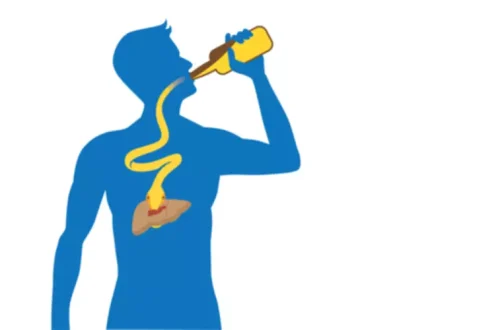
These methods focus on treating the underlying factors contributing to addiction, rather than merely alleviating symptoms. They acknowledge that past traumas and emotional challenges are crucial components of substance abuse. Apart from tolerance, addiction also gives rise to both physical and psychological dependence on drugs. Physical dependence occurs when the body adapts to the presence of Twelve-step program drugs and experiences withdrawal symptoms when the drug is discontinued. Many physician prescribed medications such as benzodiazepines (xanax) also cause physical dependence, so physical dependence is not specific to illicit drugs.
Clinical application of mindfulness intervention mechanisms for substance use disorder and relapse prevention
Evidence supporting the efficacy of MBIs as an intervention for SUDs and for relapse prevention is growing. A recent systematic review from Sancho et al16 included 54 randomized controlled trials (RCTs) targeting either substance or behavioral addictions. If you’re in addiction recovery, consider exploring the practice of meditation as a valuable tool for supporting your journey towards healing and growth. Using meditation in combination with other addiction treatments such as therapy and medication can offer several benefits. For individuals in addiction recovery, medication can be used to manage withdrawal symptoms and reduce cravings.
The Benefits of Meditation
Many people share success stories about using mindfulness in addiction recovery. Some people find relief from chronic pain when they bring mindful attention to tense muscles or sore joints. Others notice fewer intrusive thoughts because they practice daily breathing check-ins. Mindfulness offers a holistic approach that supports treatment for depression and anxiety. It does not cure these conditions in isolation, but it helps you regulate emotions in daily life.
What are the benefits of holistic therapies in addiction recovery?

Many of these therapies actually include mindfulness (a form of meditation) as part of their therapy process or treatment plan. For example, meditation can aid in cognitive-behavioral therapy (CBT) by reinforcing the focus on one’s behavior. We publish material that is researched, cited, edited and reviewed by licensed medical professionals.

- Get professional help from an online addiction and mental health counselor from BetterHelp.
- As individuals develop self-compassion and learn to accept their feelings non-judgmentally, they build resilience against potential relapse triggers.
- We’ll dive into how meditation can provide a lifeline for those seeking recovery and a renewed sense of purpose.
- Often used to enhance spiritual connection and enlightenment, the practice essentially involves quieting the mind and concentrating on a specific thought or idea.
Additionally, it can complement other addiction treatments such as therapy and medication to improve recovery outcomes. In the journey of recovery from drug or alcohol addiction, finding effective tools and strategies is crucial. One such powerful tool is meditation, which offers a path towards healing and sobriety. We will explore the meditation techniques for people with drug or alcohol addictions. We’ll dive into how meditation can provide a lifeline for those seeking recovery and a renewed sense of purpose.

Emotional Regulation
When you practice mindfulness meditation, you create new neural connections. These connections help you cope with intrusive thoughts and cravings. Your mind learns to identify triggers without immediately acting on them. This process lowers the risk of relapse and protects your overall mental health. Improvements in emotional regulation from mindfulness meditation have been demonstrated through personal reports, physiology, and neuroimaging methods (looking at images of physical changes in your brain). Another common challenge is staying motivated to continue the practice.
- In summary, meditation not only supports emotional health but also plays a crucial role in managing stress, cravings, and withdrawal symptoms, making it an invaluable tool in addiction recovery.
- Don’t judge yourself for having thoughts or cravings during meditation.
- Meditation has been shown to enhance several neurocognitive functions, particularly beneficial for individuals recovering from addiction.
- These practices create consistent opportunities for reflection and connection to one’s recovery journey.
It’s also essential to recognize that meditation is not a universal remedy; it may work differently for each individual. Personalizing meditation practices to suit individual preferences and comfort levels is key. This might involve experimenting with various meditation techniques, such as guided imagery or mindfulness, to discover the most effective approach. While the benefits of meditation in the context of addiction recovery are significant, it’s equally important to consider potential challenges. Initiating a meditation practice can seem intimidating, particularly for those who are new to it or find it difficult to focus and stay still.
More Guidelines to Guarantee Success in Early Recovery
There are many ways you can incorporate meditation into your recovery. Enter your phone number below to receive a free and confidential call from a treatment provider.
- By enhancing self-awareness, mindfulness encourages the acceptance of thoughts and feelings without judgment.
- There are many different types of meditation for addiction recovery.
- Patience and consistency are crucial, as the advantages of meditation often become more apparent over time.
- A recent systematic review from Sancho et al16 included 54 randomized controlled trials (RCTs) targeting either substance or behavioral addictions.

Mindfulness meditation is a contemplative practice rooted in ancient Buddhist traditions that has gained widespread popularity for its modern applications. At its core, this meditation style encourages individuals to cultivate an acute awareness of the present moment without passing judgment on the experiences unfolding. Practitioners typically engage in this form of meditation by directing their attention to specific focal points, such as the breath, bodily sensations, or thoughts. Discover the benefits of continued support on the journey to a better life. Uncover its importance, types, and effectiveness for addiction treatment. Mindfulness meditation helps you observe these feelings and sensations with a calm attitude.
Furthermore, cultivating trait mindfulness fosters self-regulation of automatic behaviors related to substance use. By developing mindfulness, individuals can better navigate cravings and cues without succumbing to the urge to relapse. Practicing addiction meditation kundalini mindfulness creates new strategies for self-control, thereby supporting sustained abstinence. Establishing routines through meditation helps cultivate mindfulness habits.